THE TIMELESS NEWSLETTER: DECEMBER ISSUE
THE TIMELESS NEWSLETTER: DECEMBER ISSUE
NEWSLETTER
december ISSUE
By Naomi Jeffries, Zoe Hairston, and Kendall Buycks
curated every month.
written by students for students.
NAVIGATE THE NEWSLETTER:
Happy New Year, COAS!
As 2026 begins, we are excited to reflect on the impactful work accomplished during Fall 2025. This Timeless Wrapped Edition of our Newsletter focuses on highlighting these accomplishments, from completing 90% of our original platform initiatives to hosting immersive, student-centered weeks led by our council departments, Fall 2025 was defined by action and results.
TIMELESS WRAPPED
COMPLETED
1,920
COUNCIL-wide OFFICE HOURS
ESTABLISHED
6
NEW COMMITTEES
*and one new position
HOSTED
20+
EVENTS
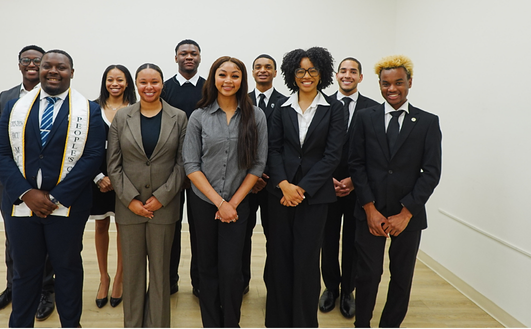
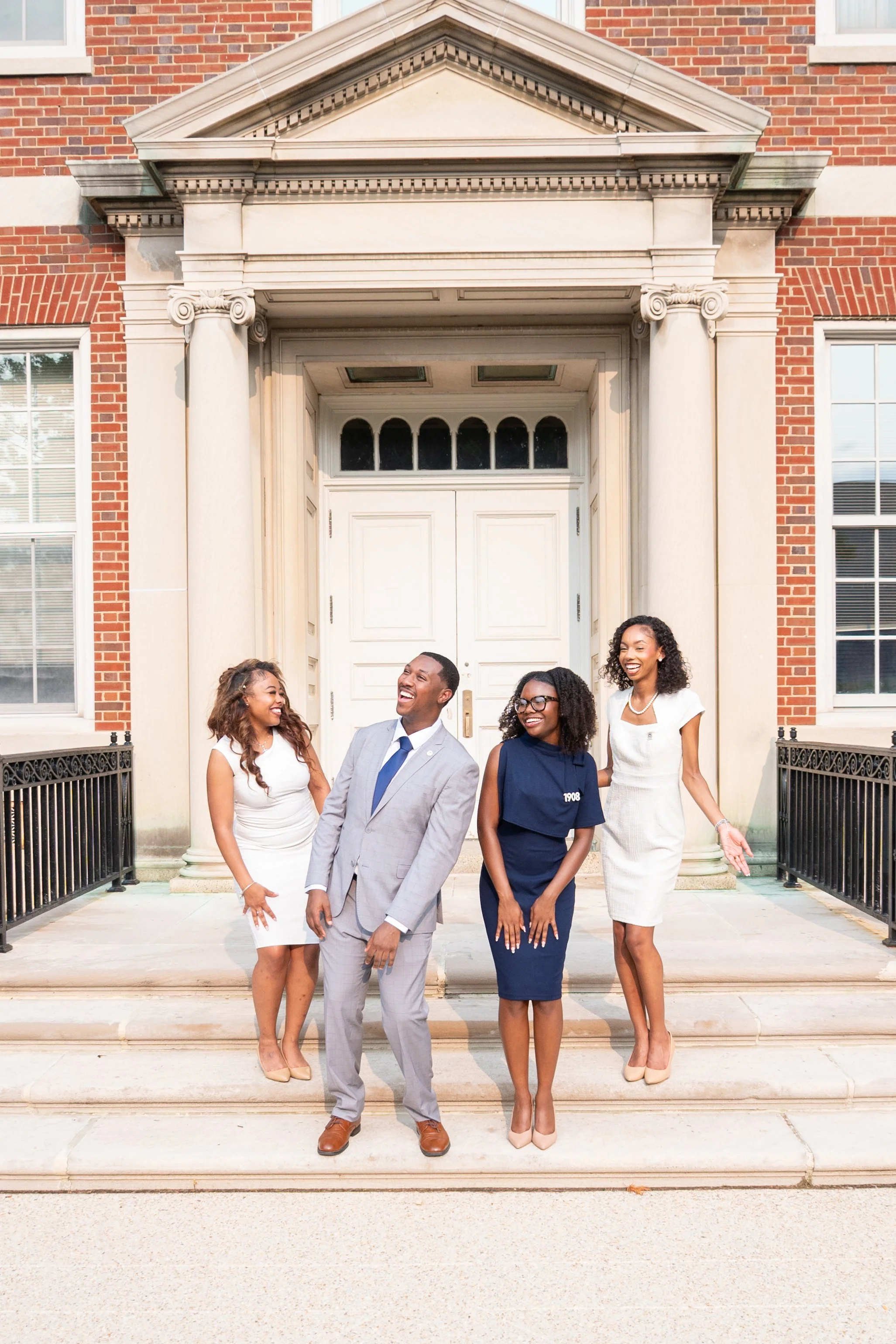
During Fall 2025, the Executive Board focused on strengthening council structure, leadership development, and student access. The council was transformed through the creation of new departments and committees, including Non-Traditional Student Experience, Student Integration, Policy, Logistics, LGBTQ+ & Intercultural Affairs, Career Development, Special Projects, and the addition of a Financial Secretary. The board also launched the first-ever COAS Associates Program, a year-long internship that paired students with Executive Cabinet members and provided consistent leadership development through monthly workshops. To further improve transparency and engagement, COAS Office Hours were reinstated for the first time in recent years, resulting in 1,920 council-wide hours tracked.
They also prioritized student support, equity, and basic needs. Through partnerships with the Office of Auxiliary Enterprises, the Feed the Herd initiative distributed over 4,792 meal swipes to students experiencing food insecurity. The board successfully passed the Access to Success Act in collaboration with the Howard University Student Association Senate, allocating over $6,000 to provide LSAT, MCAT, GRE, and TEAS preparation materials. Additionally, the Who’s Who Initiative curated a comprehensive directory of COAS student leadership and governance, increasing accessibility, awareness, and connection across the college.
EXECUTIVE BOARD
DEPARTMENT HIGHLIGHTS DEPARTMENT HIGHLIGHTS
DEPARTMENT HIGHLIGHTS DEPARTMENT HIGHLIGHTS
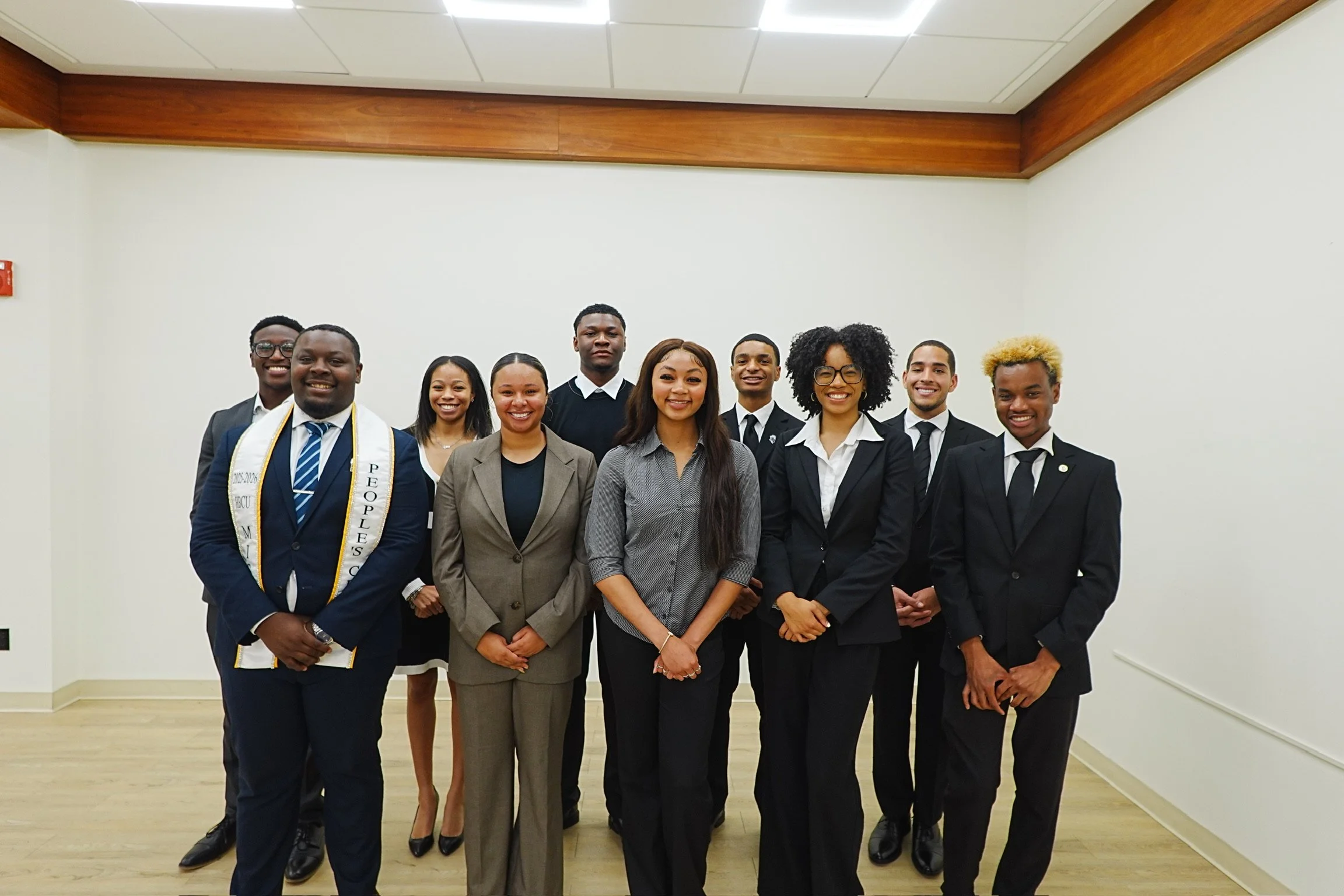
During Fall 2025, the Pre-Professional Department led efforts to strengthen career readiness and first-year success across the College of Arts and Sciences. One initiative was Pre-Professional Soaring to Success Week, which delivered career training, expanded mentorship access, and provided future-planning resources for students across disciplines. Through cross-college collaboration with the Schools of Law, Pharmacy, Nursing & Allied Health Sciences, and Communications, the department created an interdisciplinary professional development experience designed to prepare students for diverse post-graduate pathways at scale.
In addition, the Pre-Professional Department played a key role in the launch of Freshman Seminar 2.0, a redesign of the first-year seminar experience developed in partnership with Freshman Orientation Course Associate Director Dr. Muhammad. This initiative introduced a support model that recruited 30+ upperclassmen mentors to support over 1,100 first-year students, reinforced by graduate school teaching fellows.
Pre-professional
Student advocacy
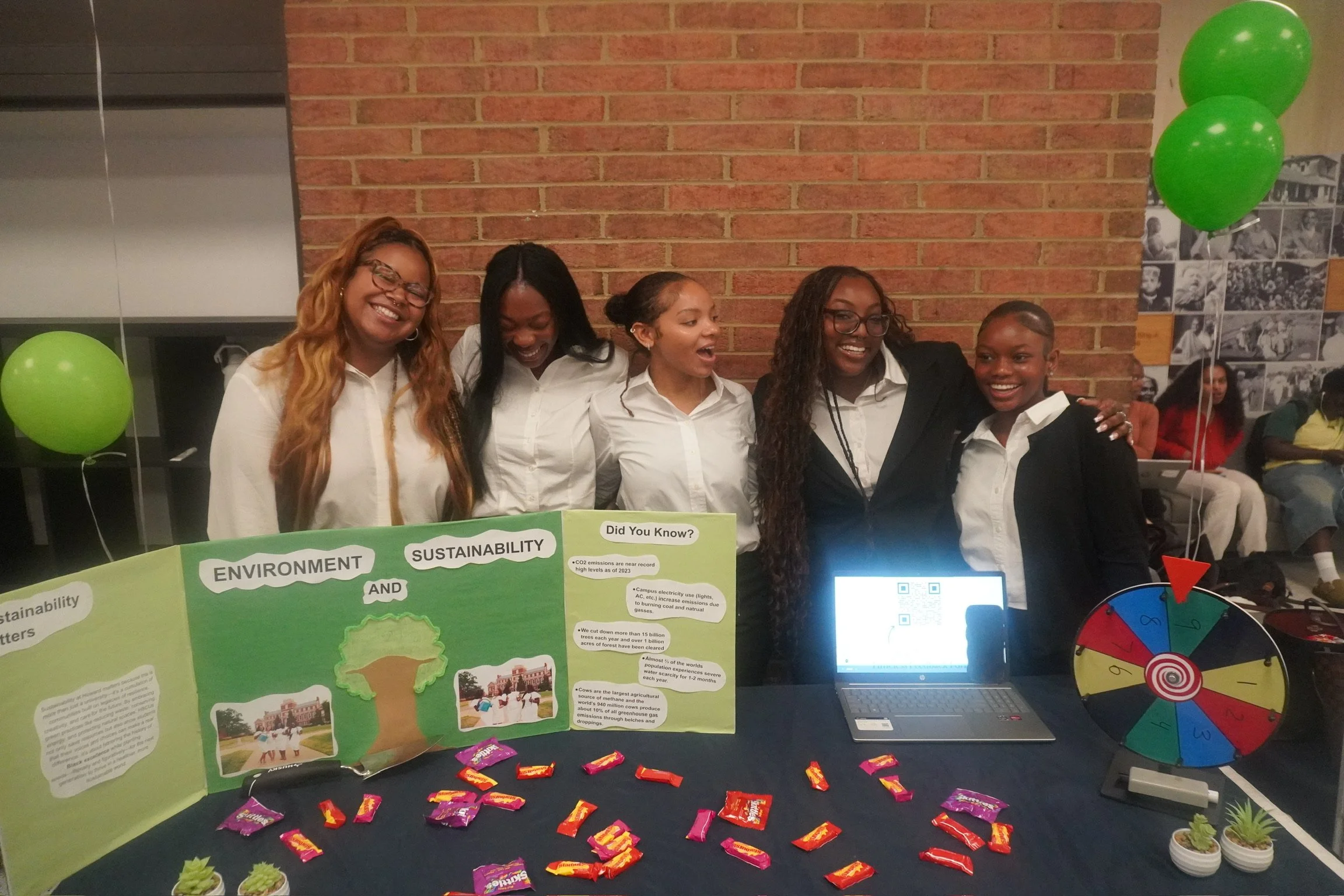
Throughout Fall 2025, the Student Advocacy Department advanced equity, access, and student empowerment through rapid-response initiatives and long-term structural reform. In response to housing challenges, the department launched STAY 4 FOUR within two weeks of the July 18 Office of Residence Life housing assignments, partnering with the Washington, D.C. community to provide housing resources and roommate matching, achieving a 97% match rate. In addition, the department introduced COAS’ first Policy Committee, which oversaw the first comprehensive revision of the COAS Constitution since the 2015–2016 academic year.
The department also led Abbott Advocacy Week, delivering a highly successful week of programming with the launch of the LGBTQ+ & Intercultural Affairs Committee, spearheading October Pride Month programming. Complementing this work, the Student Advocacy Department also introduced the Academic-Based Council Initiative, (applications open until January 11th!) engaging students across 20+ majors and facilitating direct student–faculty conversations to clarify academic requirements and address concerns. Finally, through its Health & Wellness efforts, the department partnered with the American Red Cross for a campus-wide blood drive and finalized partnerships for the upcoming launch of “This Is What Health Looks Like,” a campus-wide initiative amplifying authentic student wellness narratives.
STUDENT ACTIVITIES
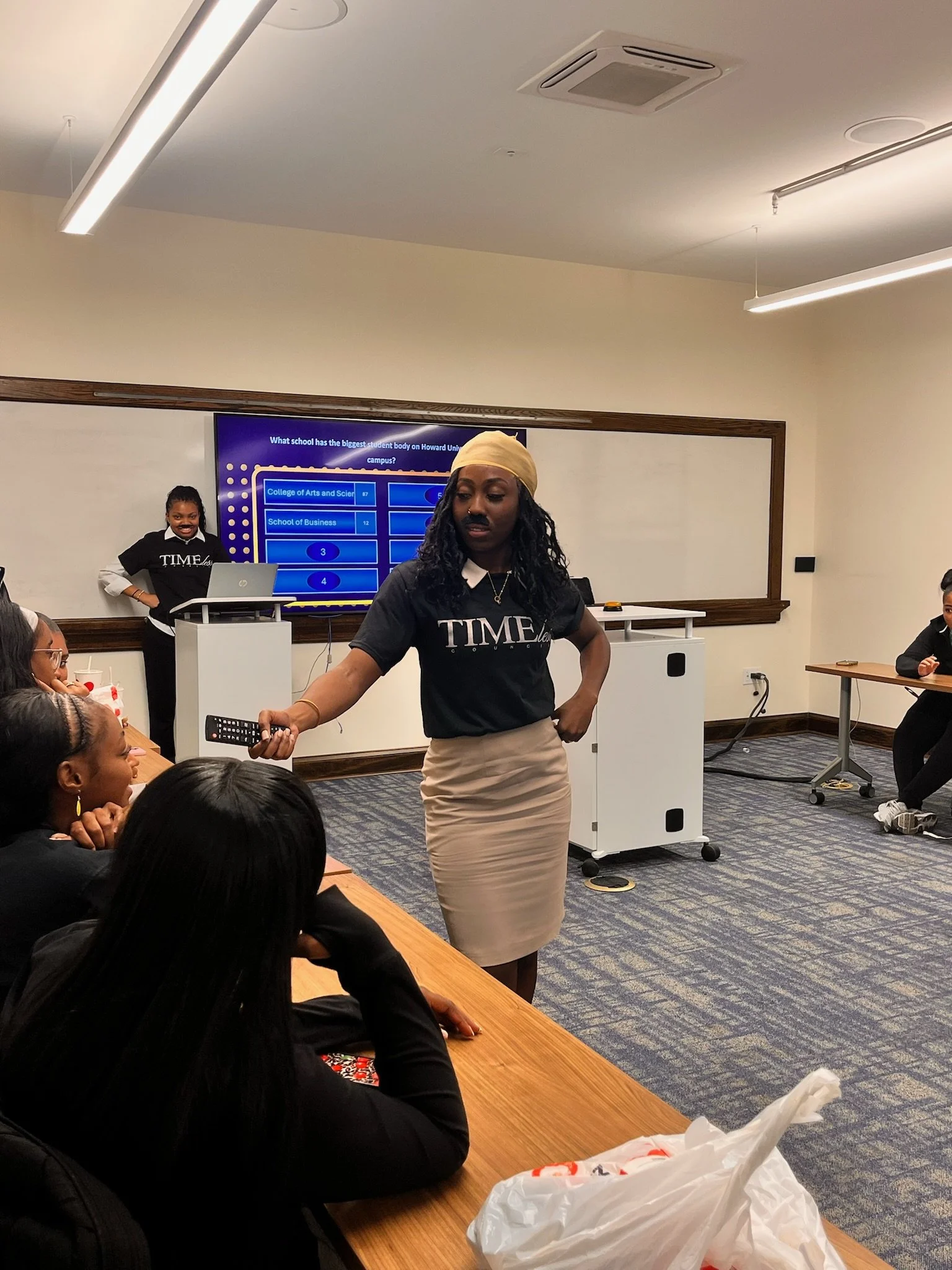
During Fall of 2025, Student Activities welcomed the new herd by hosting COAS Bison Week in partnership with the COAS Office of Administration. To bring students together, they hosted the House of Cards-themed Masquerade Ball for Flagship week, which brought over one hundred students together for a magical night. They hosted over three college-wide service events dedicated to giving back to the surrounding community.
They also created Timeless Reflections, a COAS-wide feedback form designed to help students reflect on events hosted during the semester. Finally, Student Activities hosted the "Pie a Council Member" fundraiser, in which they raised over $300 for continued council initiatives.
nON-TRADITIONAL STUDENT EXPERIENCE
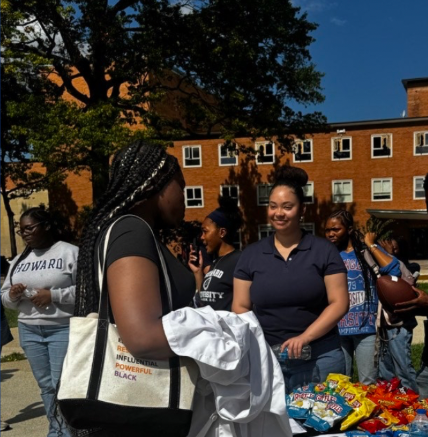
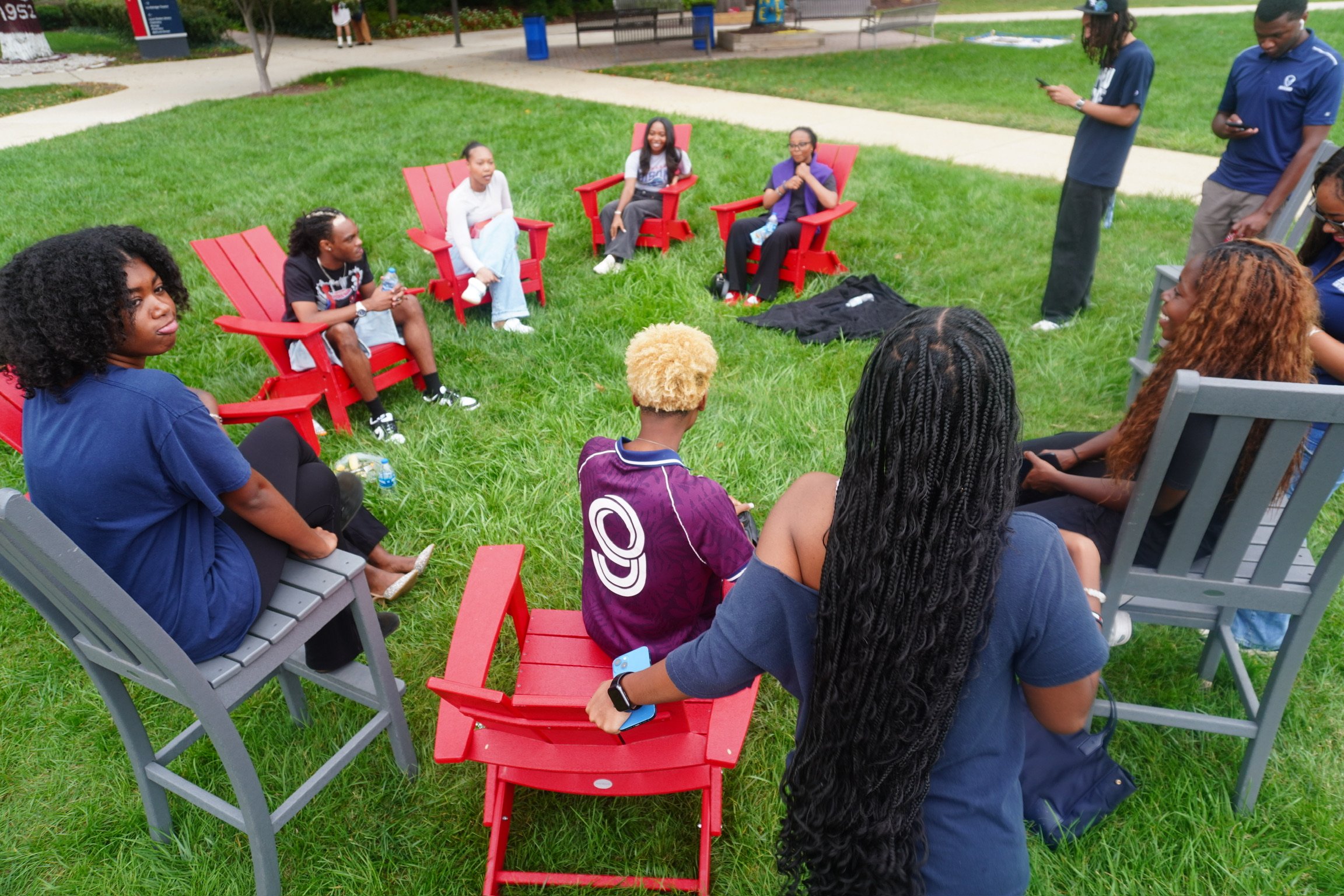
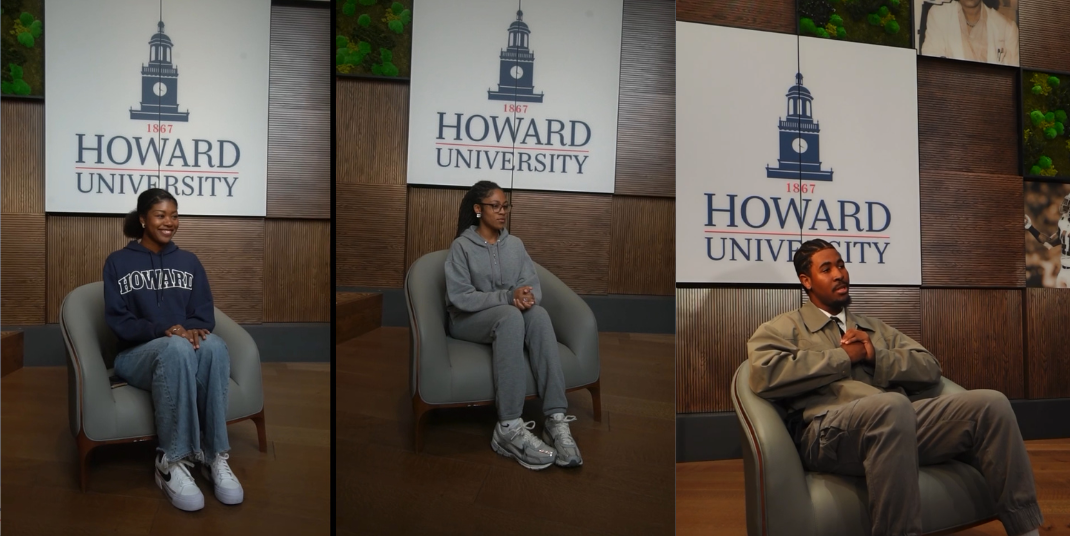
During the Fall of 2025, Non-Traditional established the first Non-Traditional Student Experience (NTSE) department within COAS, introducing a new Student Integration Committee to cultivate a department centered on support for non-traditional student populations. To kick off the semester, they co-hosted the 2nd Annual Transfer Student Picnic with the Transfer Student Association and the Howard University Office of Auxiliary Enterprises, aiming to boost cross-campus collaboration and provide support while building inclusive spaces for international and transfer students.
In addition to this, they launched Pathways & Perspectives: NTSE Survey, a survey that collects data to identify academic, professional, and personal support gaps among non-traditional students. Finally, they produced My Path, My Pace: a digital interview series that gives a voice to non-traditional student success stories.
As we start Spring semester, the TIMELESS Council is focused on executing high-impact initiatives that strengthen career access, institutional presence, and student engagement across COAS.
Spring 2026 Goals:
Successfully execute an All-Majors Career Fair, creating meaningful professional opportunities for COAS students across disciplines
Host the inaugural TIMELESS Flagship Ball, establishing a signature event that reflects the culture, excellence, and legacy of the council
Fully implement O.U.R (Operating Under Reason) within COAS by partnering with scholarship- and service-based organizations to fund student scholarships
Increase accessibility and engagement by hosting open General Body Meetings
Conclude the TIMELESS Administration with 6,000 Instagram followers, achieving a 3,000+ follower increase and surpassing previous councils
Launch and maintain an official TIMELESS LinkedIn presence to expand professional branding, alumni engagement, and institutional visibility
Collaborate with the COAS Office of Student Academic & Student Affairs to establish a direct pipeline to FindMyCOAS.com, centralizing student, council, and administrative resources
Continue and institutionalize Midnight Brunch, marking TIMELESS’s first execution of the tradition and laying the foundation for its longevity
CAREER CORNER

COMMUNITY HEALTH NAVIGATOR
-
A Community Health Navigator serves as a vital bridge between healthcare providers and the communities they support.
This role improves health outcomes by connecting individuals to care, addressing social determinants of health, and guiding them through complex healthcare systems. Through this work, Community Health Navigators help empower communities and advance our organization’s commitment to better health for all.
-
$46,507 on average
-
Coursework or training in public health, health sciences, social work, or a related field
Basic knowledge of healthcare systems, community resources, and health equity
Volunteer or internship experience in community health, outreach, or social services
Direct community engagement or outreach experience
Assisting individuals with accessing healthcare or social services
Experience working with diverse or underserved populations
Independent case navigation or client support experience
Familiarity with social determinants of health and care coordination
Experience collaborating with healthcare providers and community organizations
Leadership or mentoring experience in community health programs
Program development, data tracking, or outcomes reporting
Specialized experience in chronic disease management, health education, or advocacy
TIMELESS COUNCIL WANTS TO SEE YOU SUCCEED.
That’s why we’re highlighting internships and fellowships designed specifically for COAS students. These opportunities are here to help you grow, gain experience, and take the next step toward your academic and professional goals.
INTERNSHIPS
-
![]()
POLITICAL SCIENCE + MARKETING
$1,200 stipend
You will assist in research, writing and/or production for a specific unit or department, detailed below. This may include learning aspects of print and video production; technical, promotional and public relations techniques or program production.
-
![]()
Smithsonian National Museum of African American History & Culture Internship
Due February 15th
The mission of the National Museum of African American History and Culture Internship Program is to provide equitable and meaningful temporary workplace-based learning experiences guided by staff mentors across a broad range of museum career fields to support the academic and professional goals of future museum leaders and advocates.
-
![]()
Biology summer internship program
Due February 18th
This program is for college, graduate and professional students interested in exploring careers in research and healthcare. These are full-time research positions within one of the NIH Institutes and Centers (IC) in the NIH Intramural Research Program (IRP). Research groups are located on all NIH campuses, including the main campus in Bethesda, MD.
VIEW PAST NEWSLETTERS HERE:
-
![]()
NOVEMBER
COAS Student Government launches findmycoas.com, My Path, My Pace Interview Series, and more
-
![]()
OCTOBER
Pre-Professional Week, Student Spotlights, Career of the Month and more!
-
![]()
AUGUST-SEPTEMBER
Bison Week, COAS Associates, Transfer Student Picnic, and more!